Best Fencing Builder for Privacy, Security, and Visual Charm
A fence is one of those projects you only do a few times in a lifetime, but it shapes your property every single day. It frames your front yard, defines where your yard ends, and quietly decides how comfortable you feel when you’re outside. When people tell me they want “privacy and security,” they usually mean something more specific: they want to hear less, see less, feel safer, and still have a look that matches the home they paid for.
Choosing the right fence builder is less about finding the cheapest quote and more about finding the right mix of material knowledge, layout judgment, and installation discipline. There are plenty of great installers out there, but the best fencing company for your project is the one that handles the details most homeowners never think about until something goes wrong.
If you’re searching for the best fencing contractor, best fencing installer, or best fencing builder, you’re really looking for three things: competent planning, clean construction, and realistic guidance on what you can and cannot control.
What “privacy” really means from behind the fence
Privacy is not just “tall fence equals private.” Privacy is about sight lines, sound behavior, and how much of the fence is continuous versus broken by gates, spacing, or design changes.
I’ve seen plenty of fences built at an impressive height that still don’t feel private because the pattern leaves gaps. On wood pickets, for example, the spacing between boards matters as much as the total height. Two fences can both be 6 feet tall, but if one has boards that nearly touch and the other has visible slats, your view will be totally different.
Then there’s sound. A solid barrier helps, but sound travels through structure and openings. If the fence has poor footing or loose posts, it can vibrate. You might still hear voices through the gaps between boards, but you’ll also get more rattling from wind and minor movement.
Privacy also changes during seasons. A fence that feels private in summer can feel less so in winter if landscaping drops its leaves or if a neighboring tree sheds branches. That’s why I encourage homeowners to talk about how the yard looks year round, not just on a clear day when everyone is taking measurements.
Security starts with where the fence goes, not just what it’s made of
Homeowners often focus on material for security, and material does matter. But the most important security variable is the fence line itself, especially near doors, windows, and gates. A strong fence on the wrong line is still a weak plan.
A well installed fence also reduces “weak points,” which are rarely the obvious ones. People think the weakest part is the panel, but many issues come from posts, hinges, and the way gates latch under real weather loads.
For example, gates are constantly in a tug-of-war with gravity. After installation, even a minor sag can create a gap. That gap can be small, but for security it only has to be enough to create access. The best fencing builders plan for that movement from day one. They set posts with proper depth, confirm straight alignment, and use hardware that matches the expected gate size and weight.
There’s also the matter of climb resistance. If your fence design includes horizontal rails, an intruder can potentially use them like steps. Some families prefer that look anyway, but it’s an honest trade-off, and it affects your decision more than a brochure does.
Curb appeal: the fence is part of your home’s architecture
A fence can look “fine” up close and still underperform visually from the street. Curb appeal isn’t only about the material choice, it’s about proportion, symmetry, and how the fence transitions at corners and along varying lot lines.
One of the most common curb appeal complaints I hear is: “The fence looks great in the middle, but the corners look off.” Corners are tricky. Lot lines aren’t always straight. Ground can slope without obvious warning. If a builder doesn’t manage that with careful layout and thoughtful post placement, the fence visually “bends” where you expect it to stay clean.
Fence style also has to match the home. A heavy, ornate iron look can feel out of place next to a light, modern facade, while a very basic privacy board can look too plain beside a traditional house with trim details. The best fencing companies treat the fence like a finished architectural element, not a backyard afterthought.
The builder matters more than the fence type
You can pick an expensive material and still end up with a fence that doesn’t perform. Conversely, you can choose a practical material and get a fence that looks better and lasts longer because the installation was done right.
When you’re evaluating candidates, look for evidence of craftsmanship in the parts that are usually invisible: the post holes, the straight runs, the gate swing, and the way the fence holds its shape after seasons of wind.
A reliable best fence installer will also give you real constraints and trade-offs. For instance, taller fences can reduce views but increase wind pressure. Security needs tighter gate tolerances, which can affect design choices. A fence that maximizes privacy with full boards can also reduce airflow and cause more thermal stress in hot climates depending on the material and finish.
Good builders don’t oversell. They explain where performance comes from, and they tell you what they will do differently if your yard has particular challenges, like a sloped grade, rocky soil, or long runs that need careful bracing.
Materials that perform, and what to watch for
There’s no single “best” fence material for everyone, because privacy, security, curb appeal, and budget rarely line up perfectly. But there are clear patterns in what works and what leads to callbacks.
Wood privacy fences
Wood is popular because it can be beautiful, warm, and easy to tailor to a specific style. If your goal is privacy with a classic look, wood often delivers.
The trade-off is maintenance and longevity variability. Some wood fencing fails early when the wrong species is used, the posts are set poorly, or the boards aren’t installed in a way that prevents fast moisture absorption. If you go with wood, ask how they handle post protection, staining or sealing, and board spacing choices for both privacy and weathering.
One detail I always ask about is post placement depth and bracing strategy for long runs. If a builder treats posts as just “holes plus concrete,” you may eventually see leaning that starts subtle and becomes obvious after a couple of winters.
Vinyl privacy fences
Vinyl can offer a low maintenance path, and many homeowners like how it maintains color and doesn’t need painting. It can also be consistent in appearance, which helps curb appeal.
But vinyl isn’t automatically “easy.” The installation still needs to account for expansion and contraction and for fence line leveling. If the system isn’t installed with the right tension and proper hardware, you can get warping, misalignment, or gaps at panels and gates.
A good best fencing builder will explain how they plan for temperature changes and how they keep the fence visually straight while allowing for the material’s behavior.
Chain link with privacy options
Chain link can be an excellent security base, especially for yards that need durable fencing for years without constant upkeep. Privacy can still be achieved using slats, screens, or fabric options, depending on your aesthetic and how much privacy you want.
The trade-off is visual softness. Straight chain link can feel industrial or exposed, unless you design it intentionally with slats, landscaping, or an arrangement that looks deliberate from the street.
Also, chain link security depends heavily on tension, top rail alignment, and the gate hardware. If a contractor is casual about tensioning and post anchoring, the fence won’t feel as secure as it looks.
Aluminum and ornamental iron
Metal fences are often chosen for security and curb appeal, and they can look sharp with minimal visual bulk. Aluminum is also popular because it is lighter and typically resists rust better than many steel applications without special finishes.
But the big limitation is privacy. Ornamental metal often leaves sight lines. If you choose metal for security, plan on additional privacy layers, like selective landscaping, privacy panels, or a paired design on the areas where privacy matters most.
From my experience, metal fences perform best when homeowners treat them as a design element rather than an all-purpose privacy solution. The builder should be able to help you balance openness and comfort.
The layout questions that decide whether you’ll love it later
Before anyone builds anything, a professional fence builder should care about layout as much as materials. This is where “best” often shows up.
Lot lines and existing features create real constraints. Trees, drainage swales, utility easements, septic fields, and neighboring fences all change how your fence line should be planned. If a contractor rushes through these considerations, you might get an installation that works on paper but causes problems once digging starts.
Also, think about how you use your yard. If your main entry is through a gate on the side of the house, that gate needs to be positioned where it doesn’t force you into awkward travel paths. If kids and pets are in the picture, gate operation and self-latching behavior become more than convenience, they become routine safety.
Here’s one lived example. A homeowner near me wanted “full privacy,” but they also wanted a gate aligned with a back patio door. Once the builder mapped it out, the gate placement meant losing a couple of feet of privacy coverage near a corner. The homeowner was disappointed for a day, then decided to keep the gate location for daily use and add a privacy screen panel where it mattered most. It turned out better than trying to force a perfect rectangle.
That kind of decision making is exactly what distinguishes the best fencing installer from someone who just follows a standard template.
How to choose the best fencing company for your specific yard
The best fencing contractors don’t just install. They evaluate, recommend, and coordinate. Your job is to choose someone who communicates clearly and respects your priorities, especially when your priorities conflict.
Privacy might mean solid panels, but security might mean reducing climb opportunities. Curb appeal might mean a certain style, but maintenance might push you toward a finish that tolerates your climate. A competent builder will help you weigh those trade-offs instead of pretending there’s one solution that fits every goal without compromise.
When you request quotes from a few candidates, pay attention to their questions. experienced fence installation company The best fence contractor will ask about how you use the property, whether you have pets, where you want gates, what obstacles exist, and what matters most to you about privacy. They should also be willing to discuss how the installation will look from the street and from inside your yard.
A quick screening checklist
If you want a fast way to separate solid prospects from “we’ll figure it out later,” use this short screen:
- Do they explain the layout process, not just the materials?
- Can they describe how they install and secure line posts versus corner posts?
- Do they address gates, latches, and alignment as their own focus area?
- Are they clear about maintenance expectations for the material you choose?
- Do they show examples of similar fences they’ve installed in comparable yards?
If someone avoids these topics, expect surprises during the build.
What a strong installation actually looks like
Most fence failures I’ve seen come down to construction quality rather than the concept. The fence may look fine in week one, then the issues appear as weather and time do what they do.
A strong installation typically includes disciplined planning for grade, straight line work, and secure post installation. Posts should be set with proper depth and consistent spacing. Corner and end posts, in particular, take more stress, and they require thoughtful reinforcement.
The rest is in the details: trimming boards consistently, spacing pickets evenly, ensuring panels align without forcing, and setting gate hardware so it doesn’t bind. If you’ve ever had a gate that drifts out of square after a season, you already understand why attention to hardware and alignment matters.
Even finishing touches can affect performance. For wood, proper sealing and attention to end grain can help reduce early breakdown. For vinyl, proper locking and avoiding overstress during installation matters for long term appearance.
And here’s an edge case homeowners miss: fence performance changes with soil conditions. Clay can hold shape but move with moisture. Sandy soil can shift or erode near the surface. Rocky ground can limit consistent post depth. A top best fencing builder assesses these realities and adapts the approach rather than assuming every yard is the same.
Permits, property lines, and the neighbor factor
You might not love hearing about permitting or property lines, but it matters. A fence is often considered a “boundary improvement,” which can trigger local rules about height, setbacks, and placement. Some areas also have requirements for visibility around corners.
Even when permits aren’t required, property line clarity prevents headaches. A professional best fencing installer should help you plan placement responsibly. If there’s uncertainty, they may recommend a survey or at least a careful method for verifying where the fence should sit.
Then there is the neighbor conversation. Some fences create tension because the person who builds doesn’t coordinate the visual side or gate location. Good builders often talk through how the finished face will be presented and which side your neighbor will see. That’s part of curb appeal, but it’s also part of long term relationship peace.
If you want privacy, you’re likely creating a boundary where you’ll interact more with neighboring perceptions. A little planning upfront can save months of frustration later.
Cost reality: where prices swing and where they shouldn’t
Fence quotes can vary widely, and not always for logical reasons. Some differences are legitimate: material grade, rail sizes, gate complexity, post reinforcement, and removal of old fencing. Some differences are just guesswork.
The biggest cost swing often comes from perimeter length, height, gate count, and terrain. A sloped yard can require more labor to keep the fence level and visually consistent. Gravel or rocky soil can slow excavation and increase labor. If someone is rushing through a site walk or skipping measurement details, the quote may feel low until you realize they are assuming easy conditions that don’t exist on your property.
Here’s the thing I tell homeowners: pay attention to what’s included. Ask whether the quote includes post reinforcement, concrete, hardware upgrades, and any necessary grading. Also ask how they handle debris and old fence removal if it’s part of your project.
When someone is the best fencing company for your project, their pricing conversation is confident and transparent. They explain why line items exist, instead of hiding uncertainty behind vague wording.
What to verify before signing
If you only ask a few focused questions, make them these:
- What’s the plan for post spacing, reinforcement, and corner bracing?
- How are gates installed so they stay aligned and latch reliably?
- What’s included for cleanup, hauling, and any landscaping impact?
- Are there any scope exclusions you want clarified in writing?
- What maintenance do you expect for the chosen material and finish?
That list is short on purpose, because too many questions can feel confrontational. The goal is to force clarity on the parts that affect performance.
Choosing the right privacy height and gate strategy
Privacy height depends on local rules, neighbor distance, and what you want to block. A fence might need to be tall enough to block second-story sight lines, or it might be enough to block typical neighbor views from ground level.
Gates are a major decision. A privacy fence with multiple gates can lose continuous coverage, which matters for both privacy and security. But if your lifestyle requires access points, gate placement becomes non-negotiable.
When I work with homeowners, I ask them to think about movement. How do you actually walk from the house to the yard? Where do you carry groceries, take out trash, or move through with tools? If your gate placement forces awkward routing, you’ll start avoiding the gate, and that’s when safety habits fail.
Gate design also affects long term reliability. Wider gates carry more weight and can sag. If you need a wide opening, you may need thicker rails or stronger reinforcement. A top best fencing builder will propose a gate size that matches real structural needs, not just what sounds good on a plan.
Maintenance expectations, scheduled or not
Maintenance is where many fence choices succeed or fail in real life. People often focus on the initial price and forget that a fence is a long relationship.
Wood typically requires periodic sealing or staining, and the schedule depends on climate and sun exposure. Vinyl often needs less frequent work, but it still benefits from cleaning and inspection of hardware. Metal tends to be durable, but paint or coating care matters.
Even chain link with privacy slats needs evaluation. Slats can loosen. Fasteners can wear. If you’re aiming for full privacy, plan on occasional adjustment.
A good best fence company will tell you what maintenance looks like for your chosen material, including what you can do yourself and what should be handled by the installer. That’s part of trust. When you know what to expect, you’re less likely to ignore problems until they become expensive.
Common mistakes that turn a good project into a frustrating one
Most issues are predictable. They come from the same set of planning gaps that repeat across homes and budgets.
One common mistake is treating the fence like a straight line only. Yards aren’t straight, and “level” doesn’t always mean “same height everywhere.” A professional builder handles step-offs and transitions in a way that looks intentional.
Another mistake is underestimating gates. Homeowners sometimes choose gate style first and then realize later the hardware doesn’t match the weight. Or they choose a latch type without considering how it performs under wind. Gates need to work, not just look good.
A third mistake is skipping site evaluation. Soil conditions, drainage patterns, and existing vegetation determine how posts hold and how the fence looks after settling. If a contractor isn’t careful with site-specific planning, the fence may slowly drift out of alignment.
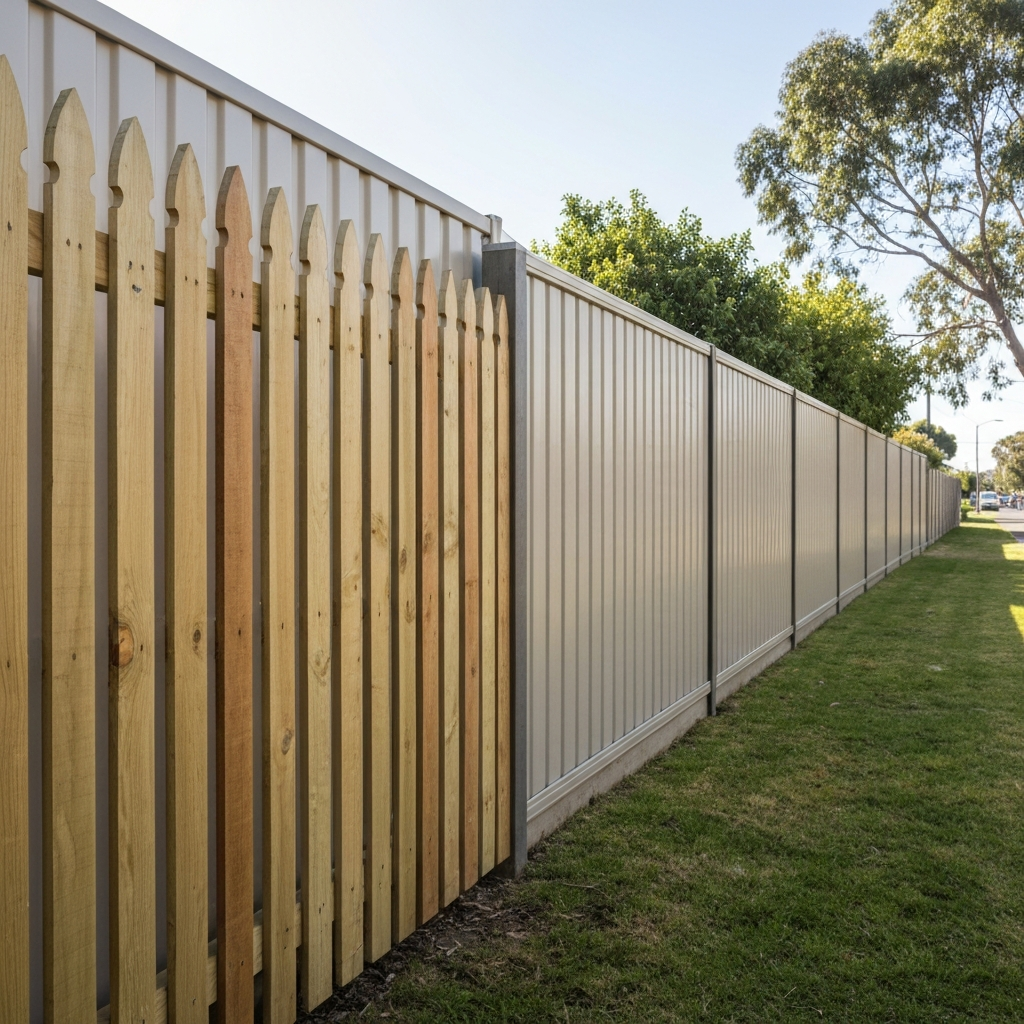
And finally, people sometimes make material decisions without considering how the fence will look from multiple viewpoints. A privacy fence might look perfect from inside the yard but awkward from the street if the pattern and corner transitions aren’t handled with care.
When to consider hybrid designs
Some properties don’t fit one category neatly. A hybrid design can solve the trade-off between privacy and openness, between security and appearance.
For example, you might use a solid privacy section where neighbors are close, then switch to ornamental metal or a more open style where you want sight lines and a lighter street presence. Or you might combine chain link for security with a privacy screen style that softens visibility.
The best fencing installers know how to blend styles without creating a fence that feels like mismatched parts. They plan transitions so the fence looks cohesive. That means consistent heights where it matters, compatible hardware, and careful alignment at switches.
Hybrid designs can also help budget. Instead of making every foot of fence maximum privacy and maximum enclosure, you put more material where it matters most.
The handoff matters: what you should expect after installation
A high-quality installation isn’t done when the last board is nailed. The handoff is part of the service quality, especially for fences with gates and heavy panels.
Before the crew leaves, you should expect a final walk-through that covers straightness, alignment, and gate operation. Gates should open and close without dragging or binding, latches should engage reliably, and the fence line should look consistent from multiple angles.
You should also receive clear guidance on what to do first after installation, especially for wood finishes and any curing time related to post setting. A professional best fencing builder will discuss inspection points, like checking hardware after the first few weeks and monitoring for any early settlement in challenging soil.
If a builder won’t talk about aftercare, it’s a red flag. The fence is a system, and the builder’s role includes helping you maintain performance.
Finding the right fit: best fence builder criteria that actually predict results
When you’re comparing contractors, focus on fit rather than slogans. The “best” in best fencing contractors isn’t about a generic rating. It’s about whether the builder understands your property and your priorities.
A strong best fencing company will listen and then propose a plan that matches how you live. They should show you how the fence line will be laid out, how privacy will be achieved through spacing and continuity, and how gates will be secured and aligned.
If you’re serious about privacy, security, and curb appeal, the builder you hire should be able to explain these connections plainly. They should also respect your budget without cutting corners where it matters most: posts, gates, bracing, and alignment.
When you get the right balance, you end up with a fence that does what you bought it for. You hear less noise. You feel more comfortable in your yard. You protect windows and entry points with a barrier that feels solid. And from the street, it looks like it belongs with your home instead of sitting awkwardly on the property line.
That is what a best fencing installer delivers, whether you choose wood, vinyl, metal, or chain link. It’s not just a fence. It’s a finished boundary system, built with care that shows up every time you walk outside.